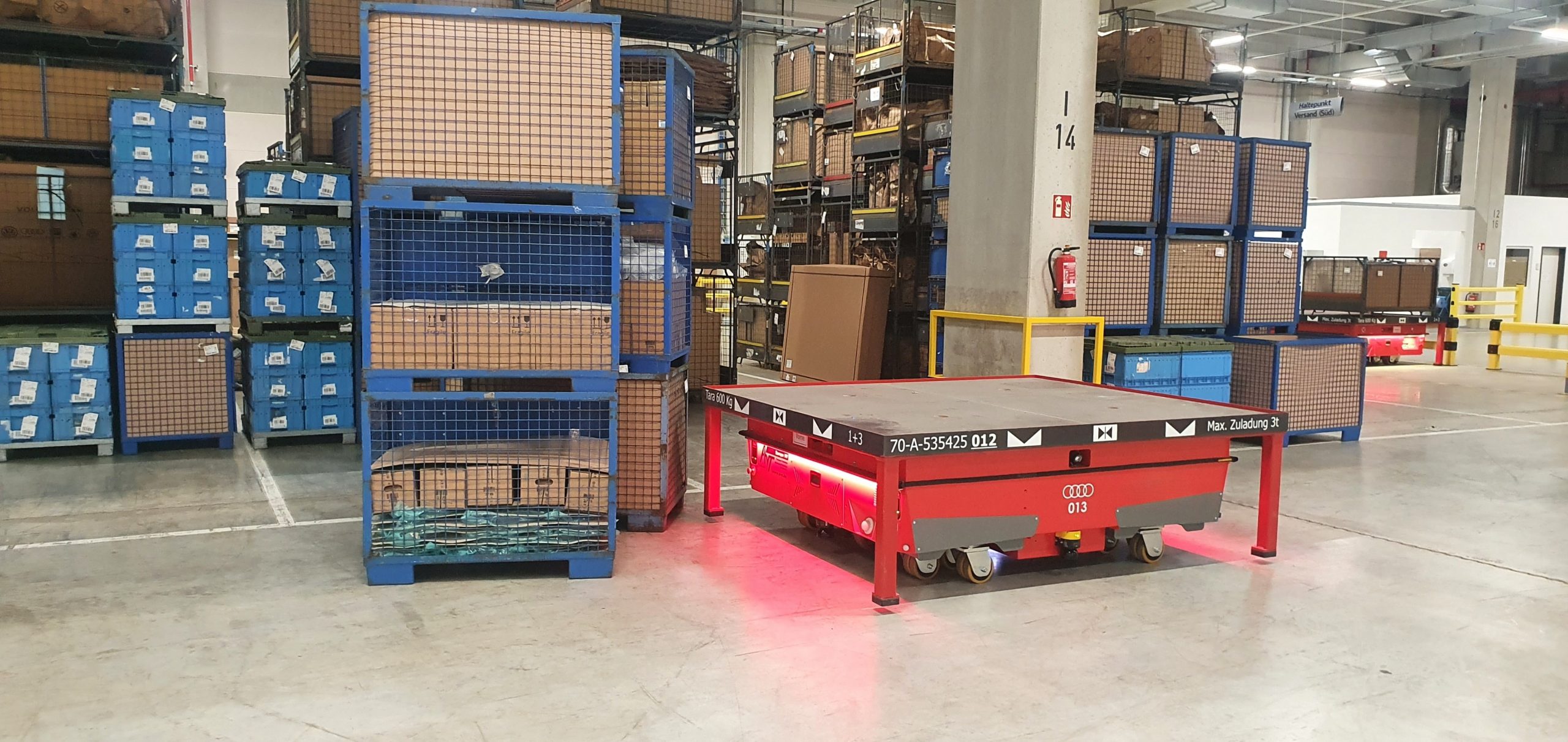
AGVs contribute to a safer working environment
AGV’s and manual transporter systems used to increase safety level on the work floor.
Some companies still doubt the use of AGVs on their work floor. In this discussion I want to give you some reasons why you should certainly consider implementing them.
1. Reduction of Human Error
Human error is a leading cause of workplace accidents, especially in environments involving heavy machinery, forklifts, and manual material handling. AGVs operate based on programmed routes and sensors, eliminating risks associated with: Fatigue, Distraction, Misjudgment Inadequate training
By automating repetitive and potentially hazardous tasks, AGVs reduce the likelihood of accidents caused by human mistakes.
Automated Guided Vehicles (AGVs) are increasingly used in industrial and logistics environments to improve efficiency, reduce costs, and enhance safety. Here’s a comprehensive overview of how AGVs contribute to a safer workfloor, structured into key areas – all within a concise format suitable for a report or presentation (well under 3000 words).
2. Improved Traffic Management
AGVs follow predefined paths and are equipped with navigation systems that prevent collisions. Unlike manually operated vehicles, AGVs:
- Maintain consistent speeds
- Stop automatically when obstacles are detected
- Communicate with other AGVs to avoid congestion
This leads to smoother traffic flow and fewer incidents in busy areas like warehouses or production floors.
3. Enhanced Load Handling Safety
Manual lifting and transport of heavy loads can result in multiple injuries. AGVs are designed to:
- Carry heavy or bulky items safely
- Maintain load stability during transport
- Avoid sudden movements that could cause spills or damage
This minimizes the risk of injuries related to manual handling and improves overall ergonomics.
4. Real-Time Monitoring and Predictive Maintenance
Modern AGVs are integrated with fleet management systems that allow for:
- Real-time tracking of vehicle status
- Predictive maintenance alerts
- Immediate response to faults or anomalies
This proactive approach helps prevent breakdowns that could lead to unsafe conditions or production delays.
5. Minimization of Workplace Hazards
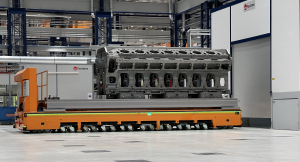
AGVs are equipped with advanced safety features such as:
- LIDAR and ultrasonic sensors for obstacle detection
- Emergency stop buttons
- Audible and visual alerts when in motion
- Zone control systems to restrict access to hazardous areas
These features ensure that AGVs operate safely around personnel and other equipment.
6. Consistent Compliance with Safety Standards
AGVs are built to comply with international safety standards (e.g., ISO 3691-4 for driverless industrial trucks). This ensures:
- Uniform safety practices across facilities
- Easier audits and regulatory compliance
- Reduced liability for workplace accidents
7. Reduced Exposure to Dangerous Environments
In industries like chemicals, pharmaceuticals, or metallurgy, AGVs can operate in environments that are:
- Toxic
- High-temperature
- Contaminated
This reduces the need for human presence in risky zones, protecting workers from exposure to harmful substances or extreme conditions.
8. Better Emergency Response
AGVs can be programmed to:
- Halt operations during emergencies
- Clear pathways for evacuation
- Assist in transporting emergency supplies
Their integration into emergency protocols enhances overall workplace preparedness.
9. Data-Driven Safety Improvements 
AGVs generate valuable operational data that can be analyzed to:
- Identify high-risk zones
- Optimize routes for safety
- Monitor near-miss incidents
This data supports continuous improvement in workplace safety strategies.
10. Psychological Safety and Morale
Knowing that dangerous tasks are handled by machines can improve employee morale and reduce stress. Workers feel safer and more valued, which contributes to:
- Higher job satisfaction
- Better overall workplace culture
- Lower turnover rates
Conclusion
AGVs are more than just tools for automation – they are strategic assets in creating a safer, smarter, and more efficient work environment. By reducing human error, managing traffic, handling loads safely, and integrating with safety systems, AGVs significantly lower the risk of workplace accidents and injuries.